By James Beston
New Zealand’s fairways are greener than ever – but beneath the surface, a perfect storm of neglect threatens the future of the game. While Golf NZ CEO Jeff Latch celebrates “colossal growth” – a 50% surge in club membership over five years – the infrastructure supporting this renaissance is crumbling. This paradox defines our crossroads: unprecedented participation meets systemic decay.
The Fractured Foundation
Aging fleets, safety failures: When 85% of maintenance equipment is fully depreciated, clubs operate on borrowed time. Machinery meant for 5,000 annual rounds now strains under 7,000–9,000, accelerating breakdowns and safety risks. Recent audits reveal over 400 OH&S violations nationwide – from unguarded mower blades to toxic chemical storage. The era of “Kiwi ingenuity” masking negligence must end before tragedy strikes.
Staff exodus, institutional amnesia
Clubs have hemorrhaged over 1,000 cumulative years of agronomic expertise in a decade. Superintendents flee untenable conditions: boards ignore bullying by entitled members, while workloads balloon without support. Adding 200–300 members without increasing pro shop, F&B, or turf staff is managerial malpractice.
The Governance Gap
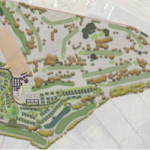
Volunteer boards, while well-intentioned, often lack critical expertise. As one architect notes, “The revival of golf clubs isn’t a strong trend due to capital constraints”. The Takapuna Golf Course saga exemplifies this: when Auckland Council proposed halving the course for flood protection, Golf NZ scrambled for alternatives but revealed a reactive, not strategic, mindset. Would we let a fisherman run a dealership? Yet clubs trust multimillion-dollar assets to directors unequipped for complex financial, environmental, or HR challenges.
The Cultural Chokehold
Elitism persists despite growth. We welcome women yet police their attire (“tights and colourful tops”). We claim to nurture juniors but resent tournaments “taking over” courses—even as events like the NZ Open’s Hyundai Futures Festival engage 320+ children, proving youth interest is soaring. Meanwhile, fee structures remain stuck in 2005, starving clubs of reinvestment capital.
Pathways to Renaissance
1. Professionalise Governance: Boards need term limits, mandatory training, and blended expertise (finance, agronomy, law). The NZ Golf Industry Council’s 2025 conference on “Leading Change” offers templates.
2. Modernise Revenue Streams:Increase subs and F&B prices gradually, tied to visible improvements.
3. Embrace Multifunctionality: Takapuna’s public course—a “lifeline during COVID”—hosts walkers and birdwatchers alongside golfers. Hybrid models like this reconcile community needs with revenue .
4. Invest in Talent: Create career pathways via CMANZ or NZTI scholarships and protect staff from member harassment. Retention starts with respect.
The Choice Before Us
New Zealand golf isn’t dying—it’s being suffocated by its own success. As global rankings celebrate our world-class courses (Paraparaumu, Tara Iti etc), everyday clubs languish . We can cling to nostalgia, watching conditions deteriorate and talent flee. Or we can evolve: welcoming diverse players, funding modern fleets, and empowering professionals to steward our clubs.
The NZ Open’s 523 volunteers from 143 clubs show our communal spirit. Now channel that energy into systemic change. In 2050, let’s celebrate not just more hole-in-ones, but a thriving, inclusive game built to last.
ABOUT THE AUTHOR:
James Beston, born in Sydney, Australia, began playing golf at age 5 and quickly developed into a talented player, reaching a single-figure handicap by 14. He pursued collegiate golf at the University of Hawaii, where he earned accolades including Golfer of the Year and Team Captain in 2003 and 2004, before competing professionally on the NZPGA Tour, PGA Tour of Australasia, and Japan Golf Tour.
After his touring career, James transitioned into leadership roles across New Zealand and Australia, notably working with Sir Michael Hill and ASX-listed Flexigroup. He has since held senior executive positions, including Managing Director of The Family Kitchen, General Manager at Whangamata Golf Club and interim GM at Windross Farm Golf Club where he has applied his strengths in strategic planning, operations, and financial management.
Now serving as Managing Director of a New Zealand-based golf consultancy backed by over 250 years of combined industry experience, James blends his elite golf background with proven business acumen to drive success in the golf industry.